
Chronic pain is defined as pain that persists beyond the expected period of healing, typically longer than 12 weeks. Unlike acute pain, which is a natural response to injury or illness, chronic pain can persist without a clear cause and often continues even after the original injury has healed. For many, it becomes a daily burden, impacting mood, sleep, mobility, and overall quality of life.
At Shanti TMS, we understand how chronic pain disrupts lives. That’s why we offer chronic pain treatment in Portland using innovative, FDA-approved Transcranial Magnetic Stimulation (TMS). While TMS is well known for treating depression, it’s also showing promise as a safe, non-invasive therapy for chronic pain conditions. If you’ve tried multiple medications, physical therapy, or injections with little success, our chronic pain treatment may be the breakthrough you’ve been searching for.
The Nature of Chronic Pain and Why It Persists
Chronic pain is not just a physical issue; it involves deep changes within the brain and nervous system. When pain lasts for weeks or months, the body’s pain pathways become overly sensitized. In some cases, the brain begins to interpret non-painful signals as pain, leading to a phenomenon known as central sensitization. This is common in conditions like fibromyalgia, migraines, and neuropathic pain.
Many people dealing with chronic pain also experience comorbid issues like depression, anxiety, and sleep disorders, which can amplify pain perception. It becomes a vicious cycle: the more pain you feel, the more stress your brain and body endure, and the harder it becomes to break free. Traditional treatments such as opioids or anti-inflammatories often fall short because they don’t address the neurological root of the problem. This is where a neurotherapeutic approach, such as TMS, becomes a game-changer.

How Does TMS Work for Chronic Pain?
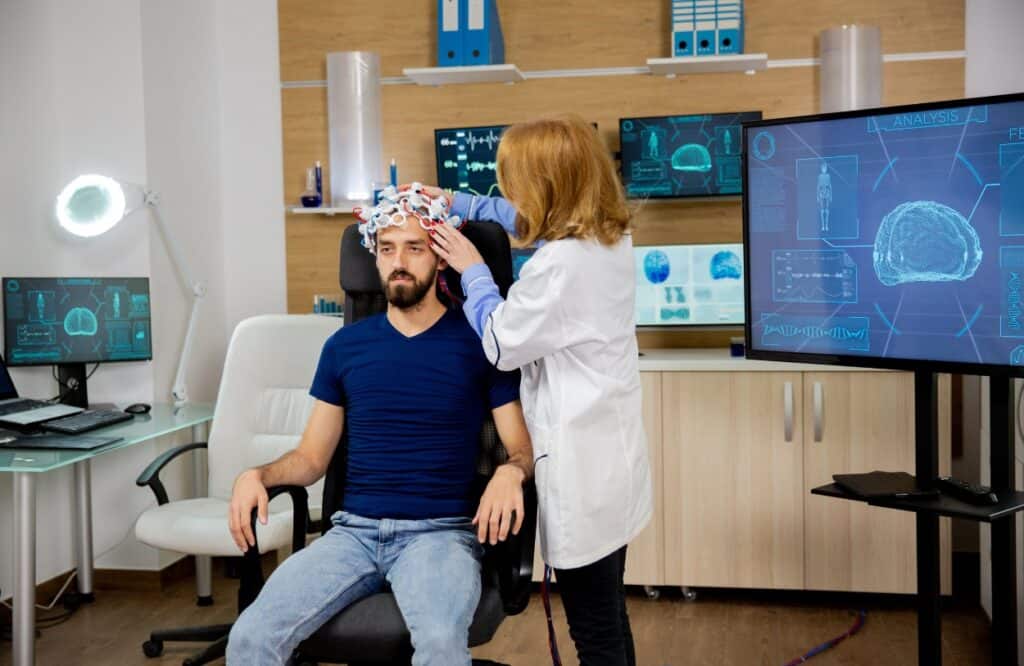
For chronic pain, TMS is typically directed at the primary motor cortex (M1), a region that plays a crucial role in pain modulation and perception. During our chronic pain treatment in Portland, a specialized coil is placed on the scalp, and magnetic pulses are delivered to stimulate the neurons beneath. This stimulation can help rewire abnormal pain signaling pathways in the brain. By modifying how the brain processes pain signals, TMS can reduce the intensity and frequency of chronic pain symptoms.
Unlike medications, TMS does not introduce chemicals into the body, and it doesn’t come with the risk of dependence or systemic side effects. For individuals looking for a drug-free option, TMS for pain offers a new path toward long-term relief.
The Science Behind TMS as a Pain Management Strategy
The use of TMS for chronic pain has been the focus of a growing body of scientific research. According to a peer-reviewed study published in PubMed, high-frequency repetitive TMS (rTMS) delivered to the primary motor cortex (M1) has demonstrated consistent results in decreasing pain intensity in conditions such as peripheral neuropathic pain, fibromyalgia, and migraines. The study shows that patients tolerate the stimulation well and continue to experience therapeutic benefits over time when they receive periodic maintenance sessions.
This research supports what clinicians at Shanti TMS are already seeing in practice: that regular sessions can lead to meaningful reductions in pain severity, improved mood, and a better ability to engage in daily activities. The treatment is tailored to the individual, and outcomes are monitored carefully to ensure progress.
Conditions We Treat with TMS
Chronic pain presents differently for everyone, and at Shanti TMS, we recognize the importance of individualized care. TMS is especially effective for managing neurological and centrally mediated pain disorders, those in which the brain’s pain pathways are disrupted or overactive. We provide chronic pain treatment in Portland for a range of conditions, including:
- Fibromyalgia: Often characterized by widespread musculoskeletal pain and fatigue, fibromyalgia responds well to motor cortex stimulation.
- Peripheral Neuropathic Pain: Includes conditions like diabetic neuropathy and nerve injury, where nerve damage leads to ongoing pain.
- Migraine: Particularly chronic migraines that don’t respond well to medication.
- Complex Regional Pain Syndrome (CRPS): A rare but severe pain condition affecting limbs after injury.
- Post-Stroke Pain Syndrome: TMS may help re-regulate brain activity in those who suffer ongoing pain after a stroke.
These chronic pain conditions often resist conventional treatments because they involve more than just physical symptoms; they reflect changes in how the brain interprets and responds to pain. At Shanti TMS, we don’t just manage symptoms; we work to recalibrate the brain’s pain processing systems using a targeted, evidence-based approach.
Why Traditional Treatments for Chronic Pain Aren’t Always Enough
For many individuals, conventional chronic pain treatments offer only partial relief. Painkillers, including opioids, can carry significant side effects and risks, including dependence, tolerance, and cognitive dulling. Nerve blocks and steroid injections often provide only short-term benefit, and physical therapy, though important, may not be enough for those with central sensitization.
Furthermore, chronic pain is not always purely physical. Emotional distress, trauma, and mood disorders often play a significant role in how pain is experienced. Traditional treatments rarely address these underlying brain-based factors.
TMS for pain offers a whole-person approach, addressing both the physical and neurological components of pain. For those who feel like they’ve exhausted their options, TMS can be a safe and effective next step in their recovery journey.
What to Expect During Your TMS Pain Treatment at Shanti TMS
Starting a new treatment can feel intimidating, especially when you’ve been living with pain for a long time. Our chronic pain treatment in Portland focuses on creating a supportive, personalized experience from the very first visit. Your care begins with a detailed consultation, where our physician-led team reviews your pain history, previous treatments, and any related mental health concerns.
Once you begin treatment, you’ll come in for sessions five days a week over the course of several weeks. During each visit, you’ll sit comfortably as a trained technician places the magnetic coil against your scalp, stimulating the motor cortex, a key region of the brain involved in regulating pain. The procedure is non-invasive, requires no sedation, and most patients describe the sensation as a light tapping on the scalp. Moreover, there’s no recovery time needed afterward, so you can return to your usual routine immediately.
We also recognize that chronic pain affects individuals differently across life stages, which is why we offer specialized care for both adults and adolescents. Adults may find pain interfering with work or family responsibilities, while adolescents can face challenges with school, physical development, and emotional growth. Our team tailors TMS treatment protocols to the unique neurological and developmental needs of each age group, ensuring a compassionate and effective approach that supports lasting relief for every patient.

Who Benefits Most from Chronic Pain TMS Therapy
At Shanti TMS, we take a comprehensive approach to evaluating each patient’s needs, ensuring that TMS is not only appropriate but also likely to be effective based on your pain history, current symptoms, and overall health. This treatment works especially well for individuals whose pain stems from neurological factors or overlaps with mood disorders and functional difficulties. You may be a strong candidate for TMS if you:
- Have experienced chronic pain for more than 3 months
- Have not responded well to conventional treatments like medications, injections, or physical therapy
- Are seeking non-pharmacological, non-invasive alternatives
- Struggle with co-occurring anxiety, depression, or sleep disturbances alongside your pain
- Are living with conditions such as fibromyalgia, migraines, peripheral neuropathy, or central sensitization disorders