
Home » TMS Therapy for Depression in Portland

Depression affects more than mood. It can drain energy, reduce motivation, and disrupt daily routines in ways that feel exhausting and hard to explain to others. Many people arrive at Shanti TMS after medication and therapy haven’t provided enough relief. TMS targets brain regions involved in mood regulation, reaching areas other approaches often cannot.

Depression often shows up gradually, making it difficult to recognize at first. What begins as low energy or lack of motivation can develop into ongoing challenges with focus, sleep, and daily responsibilities. Over time, these changes may interfere with relationships, careers, and personal goals. Many people feel disconnected from the life they want to live long before they seek help.
Living with depression can also feel isolating. Symptoms are not always visible to others, so many people keep their struggles to themselves or assume they should push through. Isolation often adds to the burden, reinforcing feelings of hopelessness or guilt. Recognizing these patterns is often the first step toward finding real support.
At Shanti TMS, we see depression as a medical condition, not a personal failing. Our clinicians approach care by listening carefully and identifying factors contributing to the illness. Looking at each individual’s history, environment, and health needs allows us to recommend strategies promoting recovery. The goal is to help restore a sense of balance and control over time.

Major Depressive Disorder (MDD) is a medical condition defined by a cluster of symptoms that persist most days for at least two weeks. These symptoms must interfere with daily functioning to meet the clinical definition. The pattern and intensity vary by person, so a careful evaluation is essential to distinguish MDD from temporary low mood or grief.
Common signs and symptoms include:
For some people, these symptoms are mild but long-lasting. For others, they become severe and disabling. Timely, compassionate care can change the trajectory. At Shanti TMS, psychiatrists and therapists address current symptoms and contributing factors such as anxiety or substance use. Care is available through adult and adolescent psychiatric programs, with individualized treatment plans tailored to each stage of life.

For some people, depression doesn’t respond to medication or therapy the way it’s expected to. Multiple antidepressants may be tried without meaningful improvement, or side effects make it difficult to stay on a consistent regimen. Treatment-resistant depression is more common than many people realize. It can leave someone feeling like they’ve run out of options.
TMS therapy for depression in Portland was developed with this group specifically in mind. Transcranial Magnetic Stimulation works through a different mechanism than medication. Rather than altering neurotransmitters throughout the body, it targets underactive neural circuits in the prefrontal cortex directly. For people who haven’t responded to standard treatments, the brain can often be reached in ways that medication alone cannot.
At Shanti TMS, every patient with treatment-resistant depression receives a thorough evaluation before any sessions begin. Co-occurring conditions like anxiety are assessed and factored into the treatment plan from the start. A personalized approach matters most when depression has proven difficult to treat. Having a physician on-site at every visit means the plan can be adjusted based on how things are actually going.
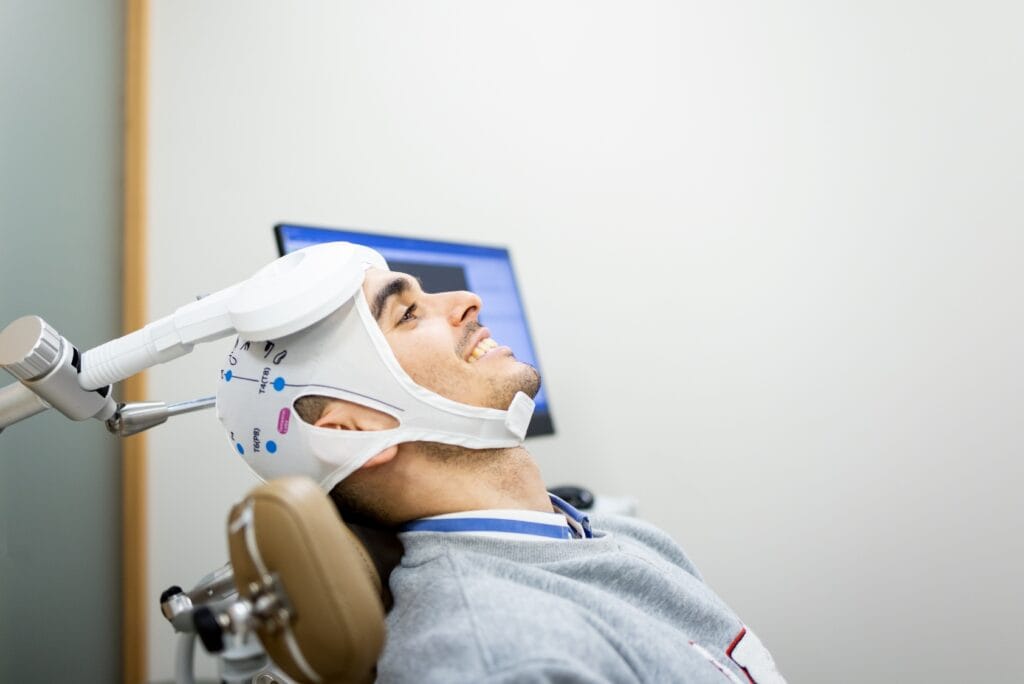
Transcranial Magnetic Stimulation (TMS) is a non-invasive, FDA-approved therapy that uses gentle magnetic pulses to stimulate brain areas linked to mood regulation. Unlike medication, which circulates through the entire body, TMS targets the brain directly. The approach is precise, outpatient-based, and requires no anesthesia or recovery time.
According to the Mayo Clinic, TMS is often used when other treatments have not been effective. It has become an important option for individuals seeking TMS therapy for depression in Portland and beyond. The evidence base continues to grow, and our protocols reflect current clinical standards. For many patients, TMS opens a path that other approaches couldn’t.
At Shanti TMS, TMS is administered in a supportive outpatient setting. Patients remain awake and comfortable throughout sessions, which typically last between 20 and 40 minutes. A series of treatments over several weeks often produces noticeable improvements in mood, energy, and daily functioning. Most people return to work or normal activities immediately after each session.
TMS is particularly effective for individuals with both MDD and treatment-resistant depression. Clinical studies show significant benefits for patients who previously felt their depression was untreatable. For those in Portland seeking an advanced, evidence-based approach, TMS represents a meaningful path forward. Results often continue to deepen after the treatment course ends.

TMS is most effective when paired with a comprehensive treatment plan. Our center provides both adult psychiatry and adolescent psychiatry services to support individuals at different stages of life. Psychiatrists assess medical history, co-occurring conditions, and lifestyle factors before tailoring recommendations. Having the full picture in place leads to better outcomes over time.
For patients managing depression alongside other conditions, integrated care ensures nothing gets overlooked. A coordinated approach means that anxiety, trauma, or other contributing factors are addressed alongside depression, not treated separately in disconnected settings. At Shanti TMS, team-based care strengthens the connection between clinician and patient. Each individual feels supported throughout the process, not just during sessions.

Effective TMS therapy for depression in Portland makes it possible to regain stability and restore daily functioning. Patients often notice improved mood, energy, and focus as sessions progress. Managing responsibilities, maintaining routines, and re-engaging with meaningful activities becomes more possible. For many, the changes feel gradual at first and then significant in hindsight.
As symptoms lift, many individuals reconnect with family and friends, rebuild relationships, and rediscover interests once set aside. These changes reduce feelings of isolation and bring back a sense of belonging and purpose. Some describe it as feeling like themselves again rather than a version of themselves held back by depression. Getting there is what the treatment aims to achieve.
For those managing co-occurring challenges such as anxiety or substance use, integrated care provides additional support. Treating depression alongside related conditions helps patients build resilience. A stronger foundation for long-term wellness is the goal, not just short-term symptom relief. Shanti TMS remains involved in that process well beyond the final session.
You Deserve to Feel Like Yourself Again
At Shanti TMS, every conversation about depression begins with listening. Every patient’s experience is different, and treatment should reflect it. Our providers take the time to understand your history, goals, and challenges before recommending a path forward. Care is delivered with compassion and respect, and you won’t be judged for where you are. Shanti TMS serves both adults and adolescents with in-person appointments at our Portland clinic. Contact us today to start a confidential conversation and take the first step toward lasting relief.
These are some of the questions we hear most often from people considering TMS for depression.
Antidepressants alter neurotransmitter levels throughout the body, while TMS targets specific brain circuits involved in mood regulation directly. Many people who haven’t responded to medication find TMS reaches what medication couldn’t.
Many major insurance plans cover TMS for major depressive disorder when medical necessity criteria are met. Our team handles benefits verification and prior authorization, so you don’t have to navigate that process on your own.
A standard course typically runs 4 to 6 weeks, with sessions scheduled 5 days a week. Each session lasts about 20 to 40 minutes, and your physician determines the exact number based on your clinical response.
Yes. Our adolescent TMS program uses age-appropriate protocols designed for developing brains, and families are kept informed and involved throughout the process.
Having a physician on-site at every visit means adjustments happen in real time based on how you’re responding. If the initial protocol isn’t producing expected results, frequency, intensity, or coil placement can be modified. No separate follow-up appointment is needed to make those changes.