
People often look for treatment options that help the brain heal in a steady and lasting way. Many individuals want care that supports long-term progress without heavy medication. TMS and neuroplasticity work together to support changes in brain pathways that influence mood and thought patterns. Many people want to know how these changes happen and how brain stimulation promotes healing. This guide explains how TMS encourages healthy shifts in the brain and supports meaningful progress.
What Is TMS?
TMS stands for transcranial magnetic stimulation. The treatment uses focused magnetic pulses that influence nerve cells in targeted brain regions. These gentle pulses support changes in activity associated with mood and emotional balance. Many people seek TMS when they need treatment options that encourage healthy brain function. Many individuals also want care that helps the brain adjust and grow.
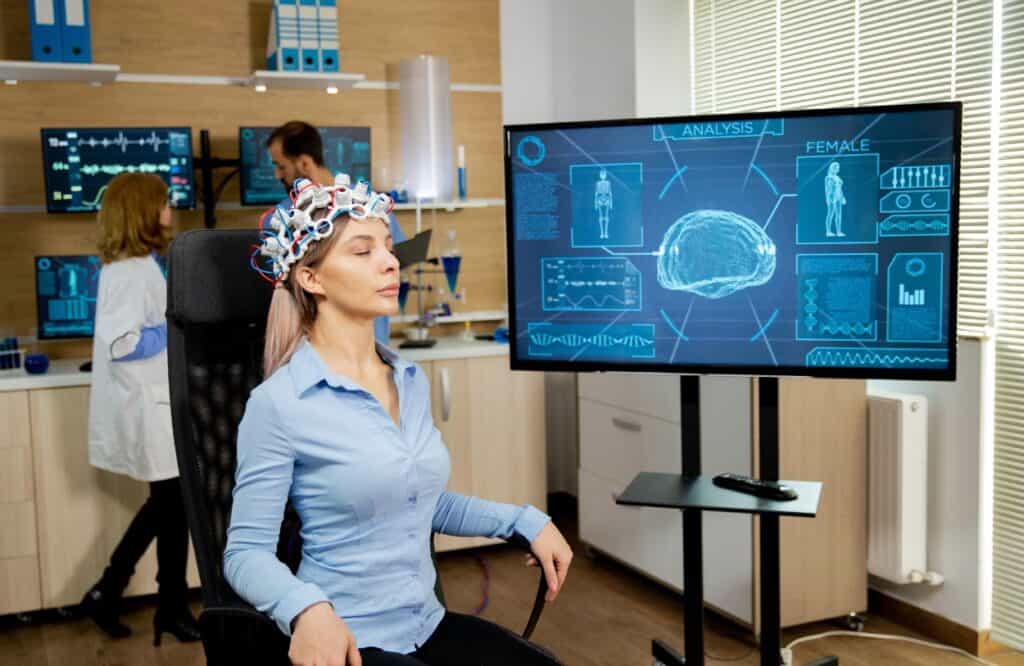
TMS sessions take place in a comfortable treatment setting. People remain awake and sit in a treatment chair during each session. A trained provider places a small device on the scalp. The device delivers repeated pulses that guide the brain toward balanced activity. Some people describe the sensation as mild tapping that feels manageable during the session.
What Is Neuroplasticity?
Neuroplasticity refers to the brain’s ability to grow and reorganize itself. The brain forms new pathways through repeated activity and healthy stimulation. These pathways help the brain respond in new ways to stress, mood shifts, and daily challenges. Neuroplasticity plays a vital role in mental health recovery. When the brain strengthens new connections, people may notice improvements in mood regulation and emotional responses. Many individuals also notice clearer thinking and steadier focus. As the brain forms new patterns, it supports long-term healing linked to ongoing practice and continued support.
How Are Neuroplasticity and TMS Technology Related?
Many people want to understand the connection between neuroplasticity and TMS technology to determine if it could be beneficial for them. The treatment delivers repeated magnetic pulses that activate nerve cells linked to mood and emotional health. These signals support the development of new pathways that reflect steady changes in the brain. Over time, the brain adapts to these patterns and strengthens connections that support healthier responses.
The relationship between these two processes highlights how brain stimulation promotes healing. TMS encourages activity in regions that may show reduced function. Neuroplasticity guides the growth of new pathways, leading to steady improvements. Together, these processes support long-term healing in a gradual and measurable way.
What Brain Regions Are Targeted for Neuroplasticity Changes?
TMS providers target specific regions of the brain linked to mood, focus, and emotional regulation. The most common region is the left dorsolateral prefrontal cortex. This region plays an essential role in mood balance and problem-solving. When this area shows low activity, people may notice symptoms associated with depression.
Another area sometimes targeted is the right prefrontal cortex. This region supports emotional regulation and stress responses. Individuals benefit from stimulation in these areas because these regions support mood regulation and healthy thought patterns. Targeting these regions encourages the brain to form new pathways, alleviating stress and improving mood.
What to Expect During a TMS Neuroplasticity Session
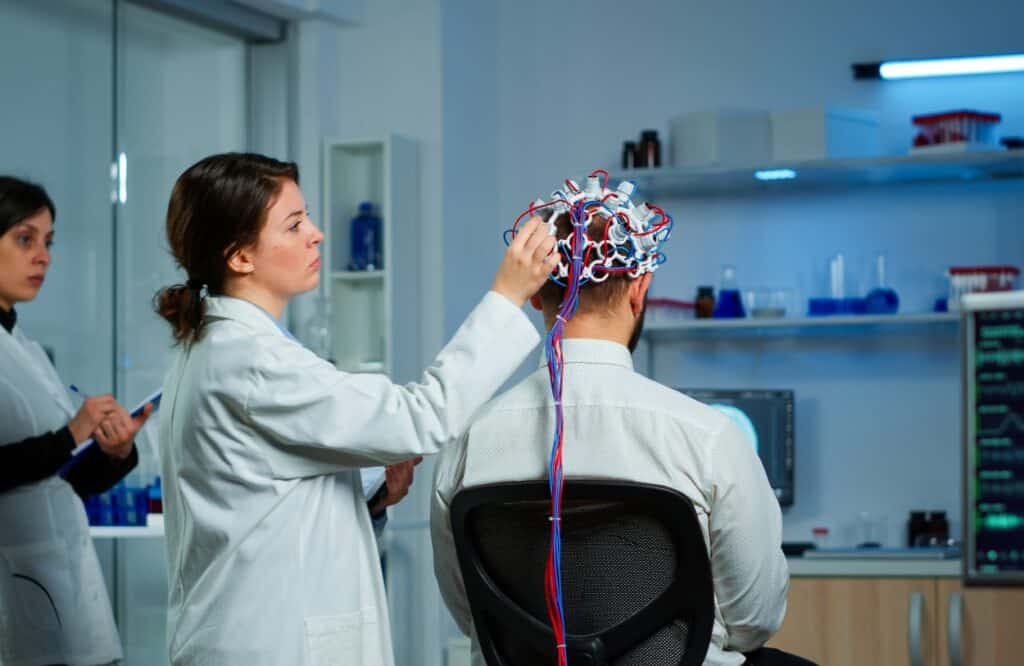
A TMS neuroplasticity session starts with simple preparation steps. The provider reviews the treatment plan and adjusts coil placement to achieve optimal targeting. People sit in a comfortable chair during the session, and the device is placed on the head. The provider explains the steps so people feel informed. The device then delivers gentle pulses that influence nerve activity. Many people feel a light tapping on the scalp. During the session, individuals relax or listen to music. After the session ends, people can return to normal activities without any recovery time.
How Long Does It Take Before TMS-Induced Neuroplasticity Starts?
Some people may notice subtle changes immediately, while others may not recognize any improvements for a week or so. The brain responds differently in each person, but with repeated stimulation, it will gradually form new pathways. Continued sessions support this growth. Most individuals notice clearer thinking and improved mood during the course of treatment. The changes align with the brain’s natural ability to grow through repeated activation.
Over time, the pathways strengthen and support long-term improvements. Most treatment plans include daily sessions three to five days a week, lasting 6 to 8 weeks. The frequent sessions provide steady activation in targeted brain regions. The number of sessions depends on personal progress, symptom history, and treatment goals.
What Types of Conditions Are Treated with TMS-Induced Neuroplasticity?
TMS supports the treatment of several mental health conditions. Depression is the most common condition treated with this approach. Many individuals who do not find relief with medication benefit from TMS. The stimulation supports healthy activity in mood-related regions. As new pathways form, they help improve mood and clearer thought patterns. TMS-induced neuroplasticity can also be used to treat anxiety disorders, OCD, and other mental health disorders related to mood, emotional regulation, and stress responses.
People also explore TMS when they want natural options for chronic pain relief. The treatment influences brain regions that process pain signals. These regions guide how the brain interprets ongoing discomfort. When the brain forms new pathways, people often notice changes in how they experience pain.
Additionally, TMS neuroplasticity can be used to help support addiction recovery. The treatment targets brain regions linked to reward response and impulse control. These regions guide cravings and automatic reactions. When stimulation supports the formation of new pathways, people notice improved mood stability and a reduction in cravings.
Benefits of TMS and Neuroplasticity in Adults
Adults often benefit from TMS because it can induce long-term changes in brain pathways. Many adults live with patterns formed through years of stress or poor emotional control. TMS supports new responses that guide emotional balance. Individuals often notice improvements in daily function as these pathways form. Adults also appreciate the flexible treatment structure. Sessions allow people to maintain normal routines without major disruptions. TMS encourages growth that supports long-lasting improvements in mood and thought patterns.
Benefits of TMS and Neuroplasticity in Adolescents
Adolescents may respond well to neuroplastic changes. Their developing brains show a strong ability to adjust and grow. TMS supports structured stimulation that guides healthy responses during emotional development. Many adolescents notice clearer thought patterns and improved mood balance. TMS for adolescents offers a noninvasive approach that aligns with natural brain development. Providers customize plans that fit the adolescent’s needs, mental health issues, and daily schedule.

Beyond Neuroplasticity With TMS Technology: Other Therapies to Enhance Neuroplasticity
Many individuals explore additional therapies that support growth alongside stimulation. Some people use structured exercise routines that guide steady brain activity. Many providers recommend regular sleep routines that support brain repair. These habits encourage the brain to grow through repeated patterns. Talk therapy, CBT, and other therapeutic modalities can help guide healthy thought patterns to support neuroplastic growth and healing. Providers may also recommend holistic therapies, such as meditation or mindfulness routines that support emotional balance.