
Post-traumatic stress disorder affects the brain, emotions, and daily functioning in ways that can feel overwhelming without professional guidance. Shanti TMS provides physician-led mental health services that address trauma with the same medical attention given to other neurological conditions. Our TMS PTSD therapy in Portland combines psychiatric evaluation, trauma-informed therapy, and advanced brain-based options such as transcranial magnetic stimulation (TMS). Compassionate outpatient care helps stabilize symptoms while restoring clarity and emotional balance. With the right guidance, individuals can move toward steadier mental health and improved daily functioning.
Understanding What Post-Traumatic Stress Disorder Is
Post-traumatic stress disorder is a mental health condition that develops after a traumatic, deeply distressing, or life-threatening event. The brain remains in a heightened state of alert even after the danger has passed. As a result, memories connected to the event may trigger intense emotional reactions or physical stress responses. Ongoing symptoms can affect mood, sleep patterns, and concentration.
Trauma describes the emotional response that occurs after experiencing or witnessing a disturbing event. The reaction can include fear, shock, or distress while the brain attempts to process what happened. For some individuals, these reactions gradually lessen as mental processing occurs naturally. For others, PTSD develops when symptoms remain intense and continue interfering with daily life long after the original event. Persistent distress signals that the brain’s stress response system has not fully recalibrated.
Trauma affects the brain’s stress response system and the way memories are stored and processed. The amygdala may remain highly reactive while areas responsible for psychological regulation become less active. Consequently, ordinary situations can trigger feelings of fear or panic even when no real danger exists. Persistent neurological activation keeps the body in a survival-oriented state, making relaxation and emotional balance difficult. Over time, PTSD interferes with concentration, sleep, and the ability to feel safe in everyday environments.
Events and Experiences That Can Cause PTSD
The brain reacts strongly when an event overwhelms a person’s ability to process it safely. PTSD can develop after exposure to events that involve actual or perceived threats to life or safety. Military combat, serious accidents, and natural disasters represent widely recognized examples. However, trauma also occurs in situations involving violence, abuse, or prolonged emotional harm. Sudden loss of a loved one can also create intense psychological distress. About 5% of adults in the U.S. experience PTSD in any given year, showing how widely this condition can affect daily life.
Repeated exposure to stressful situations can contribute to post-traumatic stress disorder. Medical emergencies, childhood neglect, or chronic instability may gradually alter stress regulation systems in the brain. Some individuals develop symptoms shortly after the experience, while others notice changes months later. Genetic factors and prior mental health history can also influence vulnerability to trauma-related conditions. At Shanti, our TMS PTSD therapy in Portland is designed to address these underlying changes in brain function associated with trauma.
PTSD Signs and Symptoms
PTSD symptoms often appear in several ways that affect emotional balance and physical stress responses. Intrusive memories represent one of the most common signs for those living with trauma. Flashbacks or vivid recollections may surface unexpectedly and trigger intense anxiety or physical tension. Nightmares can occur and seem very real. They interrupt sleep and leave lingering distress the following day. As these symptoms persist, concentration and psychological steadiness may become harder to maintain.
Avoidance and heightened alertness also appear frequently in post-traumatic stress disorder. Certain places, sounds, or conversations may trigger memories of the original experience. Some people begin avoiding situations that feel unsafe or overwhelming. Emotional numbness may gradually replace activities or relationships that once felt meaningful. Irritability, exaggerated startle responses, and constant tension often develop as the nervous system remains in a prolonged state of vigilance.
Types of Post-Traumatic Stress Disorders
Mental health professionals recognize several forms of trauma-related conditions within the PTSD spectrum. Each form represents different patterns of symptoms and psychological experiences that develop after distressing events. While symptoms may overlap, the experiences and timelines can vary depending on the nature of the event. Some people develop symptoms soon after a traumatic experience, while others notice changes much later.
Post-traumatic stress disorder refers to symptoms that continue longer than 1 month and begin affecting daily functioning. Acute stress disorder often appears shortly after a traumatic event and may last for several weeks as the brain processes the experience. Complex PTSD may develop after repeated or long-term trauma, such as ongoing abuse or prolonged instability. Delayed-onset PTSD occurs when symptoms appear months or even years after the original event. Each one reflects the different ways the brain and nervous system respond to overwhelming experiences.
Although these forms share similar emotional and physical responses, their patterns often differ in intensity, duration, and triggers. Some people experience sudden intrusive memories or flashbacks, while others notice gradual changes or heightened vigilance. Environmental reminders, stress, or major life transitions can sometimes activate symptoms long after the initial trauma. Recognizing these different forms helps create a clearer picture of how trauma can shape psychological health and daily life.
At Shanti TMS, our approach to TMS PTSD therapy in Portland reflects the same thoughtful medical attention given to other mental health concerns. Our physicians and mental health professionals examine biological, emotional, and environmental influences during evaluation. Each care plan reflects the unique experiences and needs of the person rather than relying on a standardized treatment model. A whole-person perspective helps individuals better understand how trauma affects daily life and provides a foundation for easing symptoms while building stability, resilience, and long-term healing.

How Shanti TMS Treats PTSD in Portland
Persistent trauma symptoms rarely improve without professional interventions. The brain can remain locked in a survival-oriented stress response long after the original event has passed. Memories, sleep patterns, and emotional regulation may remain unstable. Shanti TMS approaches trauma-related mental health conditions with a psychiatry-first philosophy grounded in evidence-based medicine. Each person begins with a comprehensive psychiatric evaluation that explores personal history, symptom patterns, and neurological functioning. Physicians then develop personalized plans designed to address trauma responses while strengthening psychological resiliency.
Collaborative conversations help determine which therapeutic strategies may provide the greatest benefit. Individual experiences and personal goals guide every stage of the process. Evidence-based psychotherapy often forms the foundation of trauma-informed mental health services. Cognitive-behavioral therapy, medication management, TMS, and other approaches help reshape distressing thought patterns while improving long-term stability and overall well-being. Without professional care, PTSD can contribute to anxiety disorders, depression, or substance use disorders.
TMS PTSD Therapy for Adults and Teens
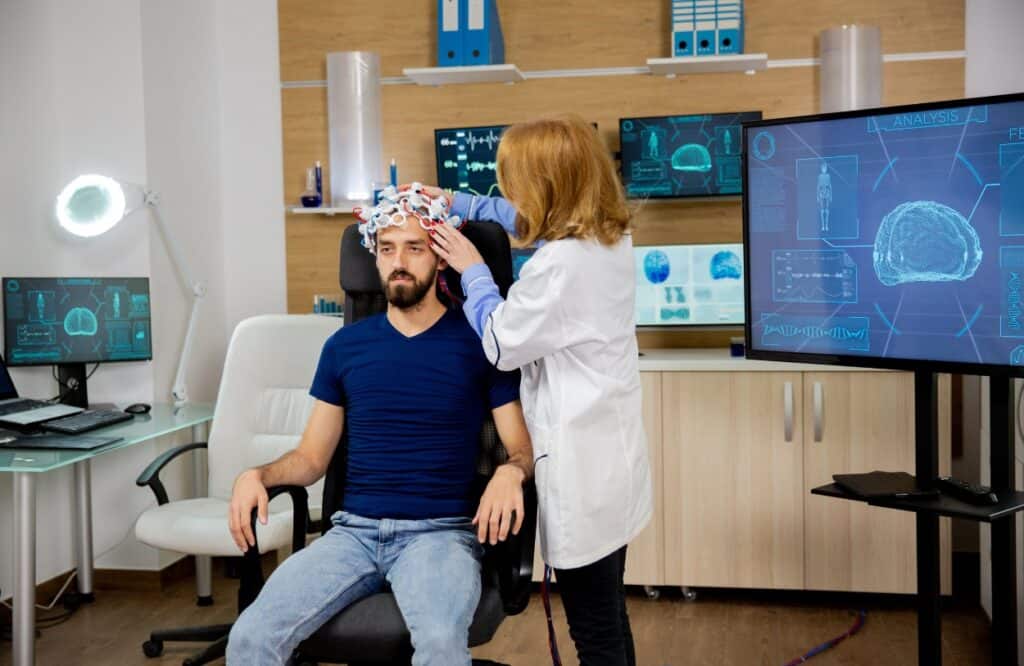
Transcranial magnetic stimulation represents an innovative medical approach used to address mood and trauma-related conditions. The therapy uses targeted magnetic pulses to stimulate specific brain regions involved in emotional regulation. During sessions, a specialized device gently activates areas that may show reduced activity in trauma-related disorders. Gradual stimulation helps rebalance neural communication networks associated with mood and stress responses. Physicians supervise each session to ensure accuracy and comfort.
For families exploring TMS PTSD therapy in Portland, TMS provides a non-invasive option that does not require sedation or hospitalization. Sessions occur in an outpatient medical setting and typically last under an hour. Patients remain fully awake and return to normal daily routines afterward. Gradually, brain stimulation encourages healthier activity patterns across emotional regulation networks. Consistent sessions help reduce trauma-related symptoms while supporting broader mental health stabilization.
In addition, TMS PTSD therapy offers several advantages compared with traditional psychiatric approaches. TMS does not require anesthesia or systemic medications that affect the entire body. The therapy also avoids many side effects associated with long-term pharmacological approaches. Most people tolerate the sessions comfortably and can return to work or school afterward. Continued sessions offer promising outcomes for trauma-related conditions when TMS complements a comprehensive treatment plan.
The Shanti Difference in PTSD Care
Shanti TMS has served the Portland community since 2014 with physician-guided mental health services rooted in dignity and respect. Psychiatry forms the foundation of every care plan, allowing trauma-related symptoms to receive the same medical attention given to neurological conditions. Physicians collaborate closely with patients to develop individualized strategies grounded in evidence-based practice. Long-term emotional stability remains the primary focus rather than temporary symptom relief. Thoughtful clinical planning helps patients move toward healthier neurological balance.
Innovative therapies complement traditional psychiatric methods within Shanti’s integrated care model. Transcranial magnetic stimulation expands options for those who have not found relief through conventional methods alone. Evidence-based psychotherapy, medication management, and neurostimulation work together to address the full complexity of trauma-related conditions. Outpatient services and telemedicine options extend mental health services throughout Oregon, ensuring people receive guidance without unnecessary barriers.

Frequently Asked Questions About TMS for PTSD
Modern psychiatric care continues to expand beyond traditional therapy alone. TMS PTSD therapy in Portland offers a brain-based treatment option for individuals seeking additional support for trauma-related conditions. Many patients starting neurostimulation therapies have questions about safety, effectiveness, and daily expectations during therapy. The following information addresses several common concerns surrounding TMS for PTSD.
Is TMS approved for PTSD treatment?
TMS currently holds FDA approval for major depressive disorder and several related psychiatric conditions. Physicians may also use the therapy off-label for trauma-related symptoms when clinical evidence supports its potential benefits.
How long does a typical TMS course last?
Most treatment plans involve sessions 5 days per week for several weeks. Each appointment usually lasts about 40 minutes, depending on the protocol selected by the physician. Gradual stimulation allows the brain to adapt safely to new activity patterns.
Does TMS cause pain or significant discomfort?
Most patients describe TMS sessions as mild tapping sensations along the scalp. Temporary scalp sensitivity may occur during early sessions while the brain adjusts to stimulation. Physicians monitor comfort carefully throughout the process.
Can TMS work alongside therapy or medication?
Psychiatrists often integrate TMS with psychotherapy and medication management. Combining multiple evidence-based strategies can address trauma symptoms from several neurological and psychological perspectives. Collaborative planning ensures every approach works together effectively.
Who may be a candidate for TMS therapy?
Individuals experiencing persistent trauma symptoms despite traditional therapy may benefit from a psychiatric evaluation for TMS. Physicians consider mental health history, symptom patterns, and overall neurological health before recommending neurostimulation. Personalized assessment ensures the therapy aligns with each person’s needs.